
Shared Family Equipment Calendar: Reserve What Everyone Uses
Create a shared family equipment calendar for bikes, instruments, and other common items with clear reservations, return locations, and handoffs.
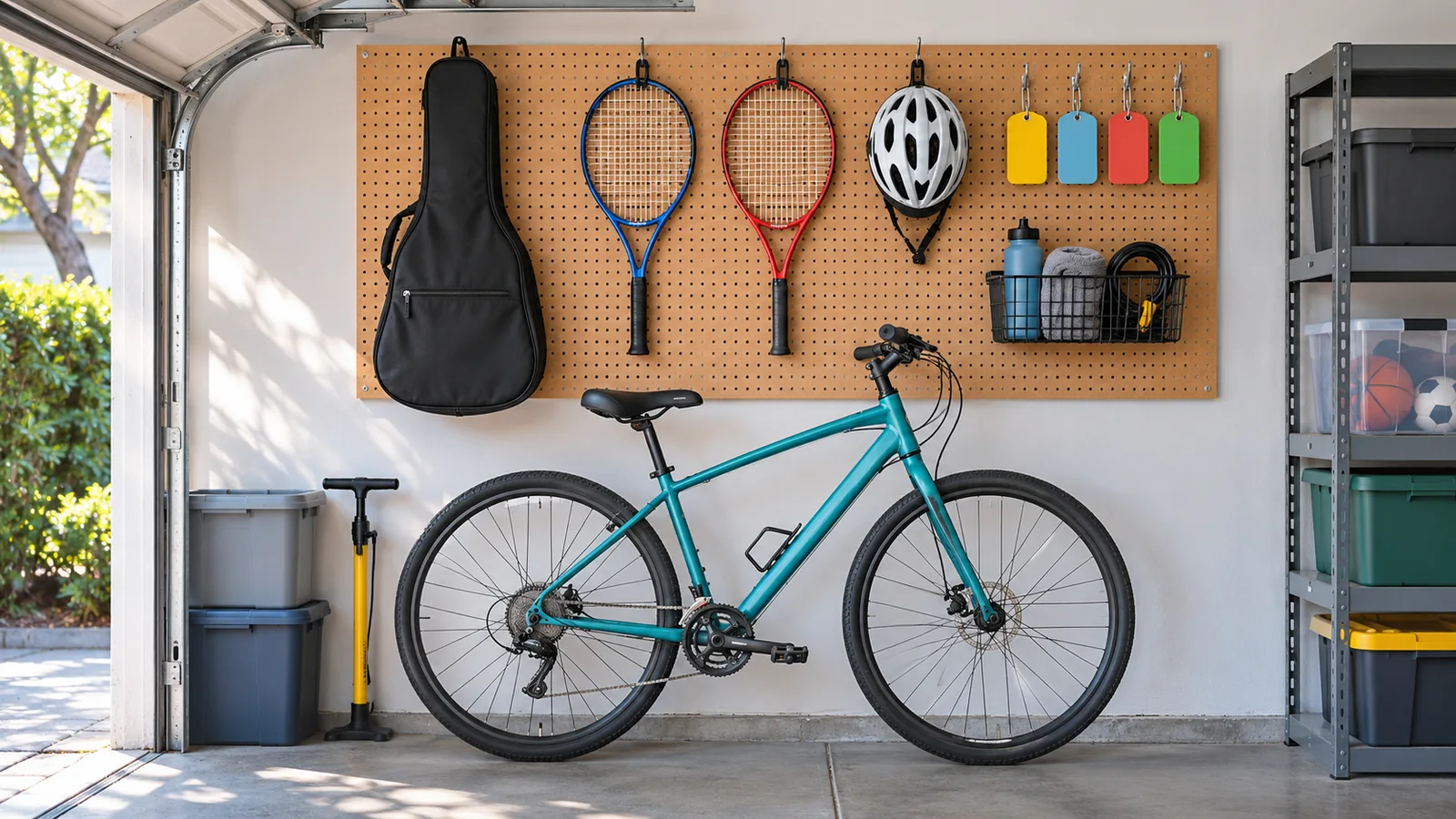
A family can agree on everyone’s schedule and still discover that two people need the same bicycle, instrument, or travel bag. A shared family equipment calendar makes the item’s availability part of the plan instead of relying on whoever last remembers seeing it.
Use it only for items that create real conflicts. The purpose is a clear reservation and return agreement, not an inventory of everything the household owns.
Choose which items need reservations
Start with one frequently contested item. Ask who uses it, whether it is suitable for each user, and what makes a conflict costly. A shared instrument needed for lessons deserves clearer coordination than a board game anyone can borrow briefly.
Assign a plain name everyone recognizes and a normal storage place. Where an item needs fitting, instruction, maintenance, or age restrictions, follow the relevant owner or manufacturer guidance. A calendar reservation does not establish that an item is appropriate or ready to use.
Reserve the full time away from home
Record collection, travel, actual use, and expected return. If a racket is leaving with one adult for the whole afternoon, it is unavailable even during the hours before the match. Include accessories that must travel with it.
Copy this reservation: item; user; leaves home; expected return; collection place; return place; accessories; next user; handoff confirmed. Keep detailed serial numbers, purchase records, and other private information out of public-facing event titles.
Resolve conflicts before either person commits
Agree a simple priority rule, such as checking existing accepted reservations before confirming an outside activity. If two uses overlap, talk through moving one plan, borrowing another suitable item, or deciding that one request cannot be supported.
For example, Lee needs the shared guitar for a Saturday lesson while Robin wants to take it to an afternoon gathering. The lesson ends at noon, but Lee will not be home until two. Robin plans collection after two only once Lee accepts that handoff.
Make returning the item part of ownership
The person borrowing an item owns bringing it back to the agreed place with its accessories. If something changes, notify the next user directly and agree a revised plan. Marking an activity complete does not tell the next person where the equipment is.
Use a separate task for a missing accessory, repair assessment, or cleaning requirement. Keep that item out of the available pool until the responsible adult confirms it is ready. Avoid asking a child to resolve a safety or repair question alone.
Use an ordinary calendar before seeking specialist tools
For a few shared items, an event title such as “Shared guitar — Lee” and clear return notes may be enough. If you need automatic collision blocking, checkout history, or equipment condition tracking, verify those features in a dedicated tool before relying on them.
Domio can hold the family reservation as a calendar event and the return action as a to-do. This workflow does not require a dedicated equipment booking module. Try one item for a week and keep the fields that actually prevent a missed handoff.
Continue planning with Domio
Turn the ideas in this guide into one shared plan for your family.
Try DomioFrequently asked questions
What items need a shared equipment calendar?
Start with suitable items that multiple people need at specific times and that regularly cause conflicts, such as an instrument or shared sports kit.
Should a reservation cover only the activity?
Include the whole time the item is unavailable, including travel and its return handoff.
Does this require automatic booking controls?
A small household can begin with clear calendar entries and direct agreement. Verify specialist conflict blocking separately if you need it.