Household Responsibilities Checklist: Share Ownership, Not Just Tasks
Use a household responsibilities checklist to make planning, noticing, doing, and follow-up visible before dividing work.
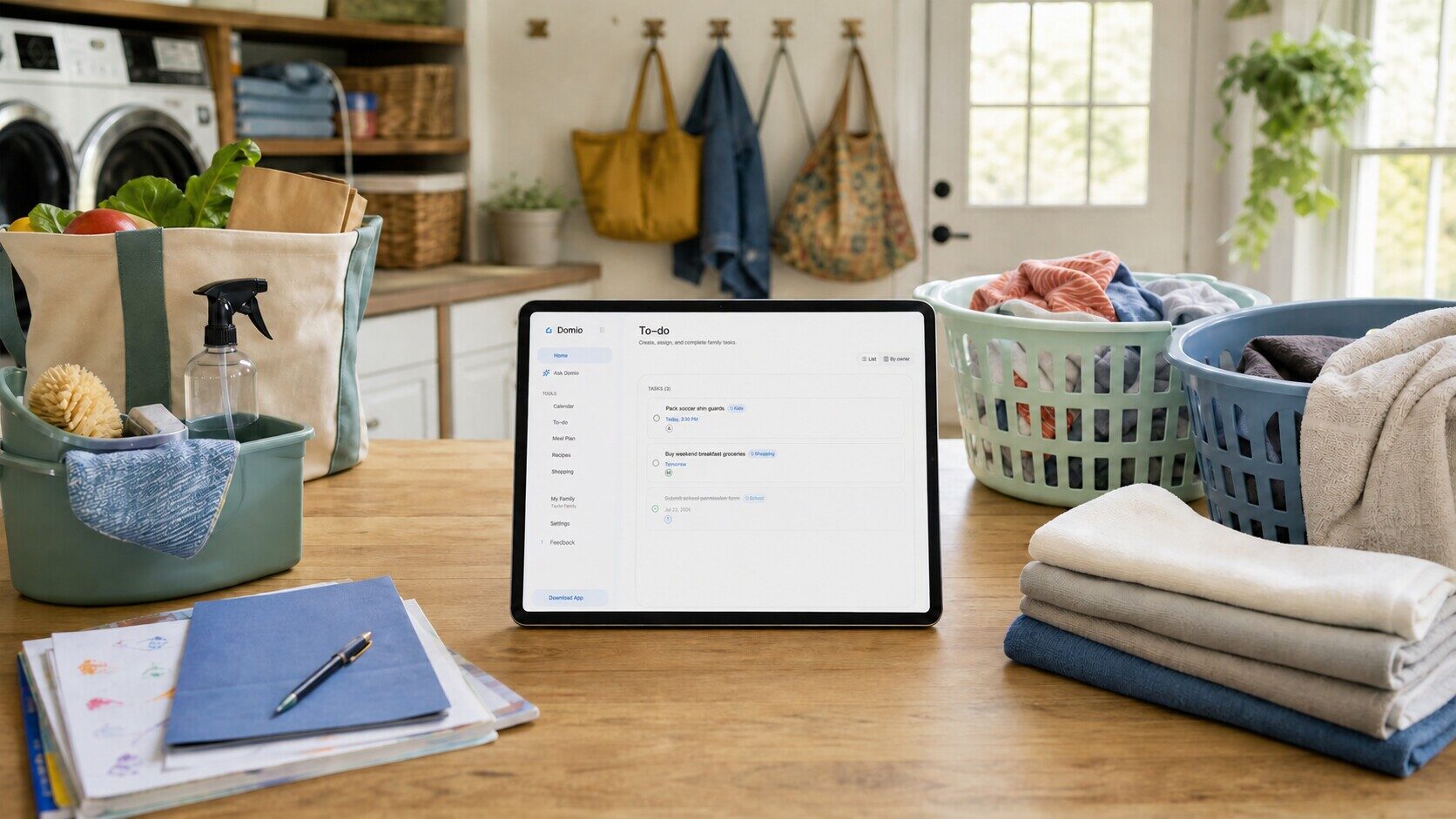
Two adults can complete a similar number of chores while one still carries most of the household mental load. The difference often sits in the invisible work: noticing what needs attention, deciding when it should happen, preparing for it, and checking that it was finished.
A household responsibilities checklist can make that work discussable. It should not become a scorecard for winning an argument. Its purpose is to reveal the full shape of household ownership so the family can divide it more clearly.
List areas of responsibility, not isolated chores
Start with broad areas: meals, groceries, cleaning, laundry, school, activities, healthcare, pets, home maintenance, transportation, finances, family communication, gifts, and caregiver coordination. Add or remove areas based on the household.
Then write the recurring outcomes within each area. “School” may include reading messages, tracking dates, returning forms, preparing supplies, arranging transportation, and following up after meetings.
Capture the four parts of ownership
For each responsibility, look at noticing, planning, doing, and following up. The person who notices the toothpaste is low, adds it to the list, compares the week’s timing, and reminds someone to buy it is carrying work even if another person completes the store trip.
Full ownership means knowing when the result is needed and moving it forward without waiting for a manager. Tasks can still be shared, but the owner should not require repeated delegation.
Assign ownership by capacity and context
Fair does not always mean a perfectly equal count. Work hours, health, travel, caregiving, skills, and preferences can affect a sensible division. The important part is that both people can see the tradeoffs and revisit them.
Avoid giving one person all the recurring, interruption-heavy responsibilities while the other owns occasional projects. Frequency, urgency, and cognitive load matter alongside time.
Define what done looks like
Conflict grows when one person thinks “laundry” means starting a load and another thinks it means clean clothes returned to drawers. Agree on the outcome, timing, and any constraints that genuinely matter.
Do not turn standards into micromanagement. The owner needs enough autonomy to choose how the result is achieved, while safety, budget, and family needs remain shared boundaries.
Review the checklist without managing it every day
Choose a brief monthly or seasonal review. Responsibilities may need to shift when school starts, work becomes intense, a child joins an activity, or a caregiver’s availability changes.
A shared tool does not create fairness by itself. The test is whether each person can see and move their responsibilities forward without another adult repeatedly noticing, delegating, and following up.
How Domio reduces the coordination behind the checklist
Domio can keep recurring household work, deadlines, schedules, meals, and handoffs visible in one family system. Instead of one parent translating every responsibility into reminders, each owner can see the task in the context of the week.
When work, school, or care plans change, Domio helps the household revisit the affected ownership rather than silently returning everything to the default parent. The product supports clearer coordination; the family still decides what a fair division looks like.
Continue planning with Domio
Turn the ideas in this guide into one shared plan for your family.
Try DomioFrequently asked questions
What belongs on a household responsibilities checklist?
Include meals, groceries, cleaning, laundry, school, care, health, pets, maintenance, transport, finances, communication, and the planning work around each area.
What is the difference between owning and doing a household task?
Doing is completing an action. Ownership also includes noticing the need, planning it, handling dependencies, and following up without requiring another person to manage the process.
How often should couples review household responsibilities?
A monthly or seasonal review is usually enough, plus a check when work, school, health, or caregiving circumstances change significantly.