
Meal Plan for Different Dinner Times: One Plan, Clear Portions
Build a meal plan for different dinner times with named portions, preparation handoffs, late-arrival instructions, and a shared grocery count.
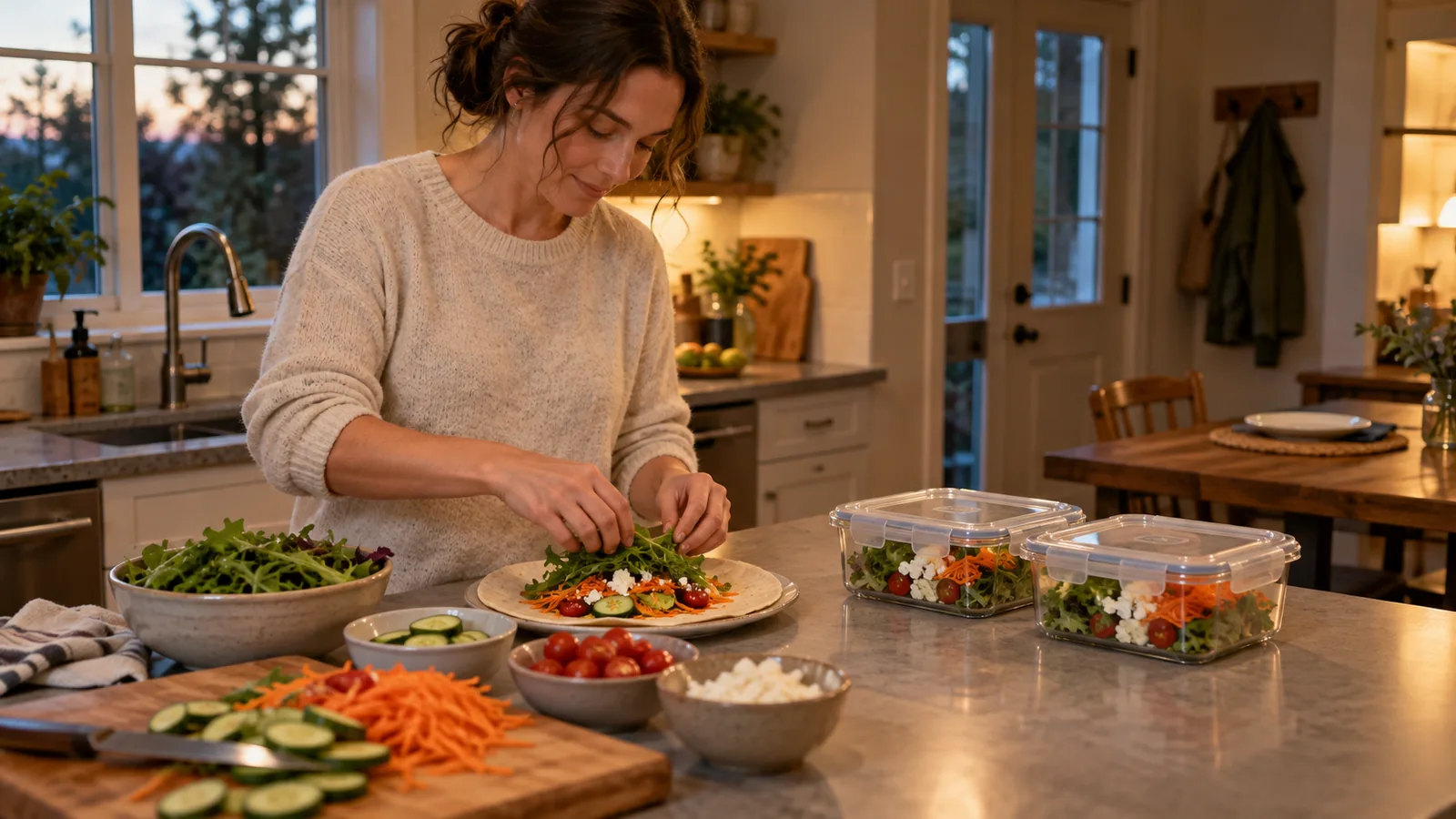
A meal plan for different dinner times should identify who eats when, what each person will prepare, and which portions belong to later arrivals. Start with one evening’s attendance, then choose a meal format that fits the available preparation time. Everyone should be able to find their plan without asking the person who cooked first.
This guide organizes people, ingredients, and handoffs. Follow appropriate food-storage and preparation guidance for the actual ingredients and dish; calendar times do not establish safe holding or reheating conditions.
Write the attendance window before the menu
For each person, note an expected eating time or a realistic window. Include anyone eating elsewhere. Distinguish a late arrival from an uncertain one so the cook knows which parts of the plan are confirmed.
In an illustrative Thursday plan, two people eat before an activity, one eats after a work commitment, and one has dinner elsewhere. The shopping count is three, while the preparation plan has two different time windows. A single “family dinner at six” entry hides both facts.
Choose a preparation pattern for that evening
Consider whether the same meal can be assembled separately, whether ingredients can be prepared ahead under appropriate guidance, or whether a later arrival will make a separate simple meal. Pick the pattern before assuming the first cook will handle every serving.
A build-your-own dinner can let people assemble their own portion from agreed ingredients. Another evening may work better with two preparation owners. The useful question is who does what at each window, not whether every person receives an identical plate.
Make the portion handoff visible
Use a record with these fields: Person; expected meal window; meal choice; ingredients or portion reserved; preparation owner; where instructions are kept; cleanup owner. Label reserved ingredients clearly enough that an early eater does not mistake them for unclaimed extras.
For example, the late arrival’s record might say: wraps; agreed ingredients reserved; Taylor assembles on arrival; preparation and storage instructions available with the recipe. Agree on that arrangement directly. A label should not assign someone an unexpected cooking job.
Handle changes before they become missing portions
Choose a point when people confirm whether they will eat at home. If a plan changes afterward, tell the person preparing food as well as updating the shared record. A canceled activity may change both the meal count and the preparation window.
Keep one clearly agreed backup option for uncertain evenings. This is a household choice, not a requirement to cook another full meal. After the evening, note what was actually used so the next grocery list reflects the plan that happened.
Put the meal beside the calendar dependency
Domio’s meal plan can hold the meal choice while the family calendar shows the activity or work commitment affecting it. Keep the practical portion and preparation arrangement in a place participants can access. Verify it together rather than assuming a schedule change automatically settles dinner.
Try the method on the next split evening. Confirm the eaters, assign the preparation windows, and reserve the agreed ingredients. If the late arrival can follow the plan independently, keep that structure for the next similar night.
Continue planning with Domio
Turn the ideas in this guide into one shared plan for your family.
Try DomioFrequently asked questions
How can a family eat at different times without separate menus?
Agree on a meal format that supports separate preparation or assembly, then name the ingredients or portions reserved for each person. Some evenings may still need different meal choices.
What should a late-arrival meal note include?
Include the meal, reserved ingredients or portion, preparation owner, and where the appropriate instructions can be found. Confirm the arrangement with the person eating later.
Should I leave dinner out for someone coming home late?
Use appropriate food-safety guidance for that meal rather than treating a shared schedule as storage advice. Agree the storage and preparation arrangement before the first meal window.