Shared Calendar for Shift Workers: Keep Family Life Moving Around Changing Hours
Build a shared calendar for shift work, school, sleep, pickups, meals, and backup plans without rebuilding the week every time.
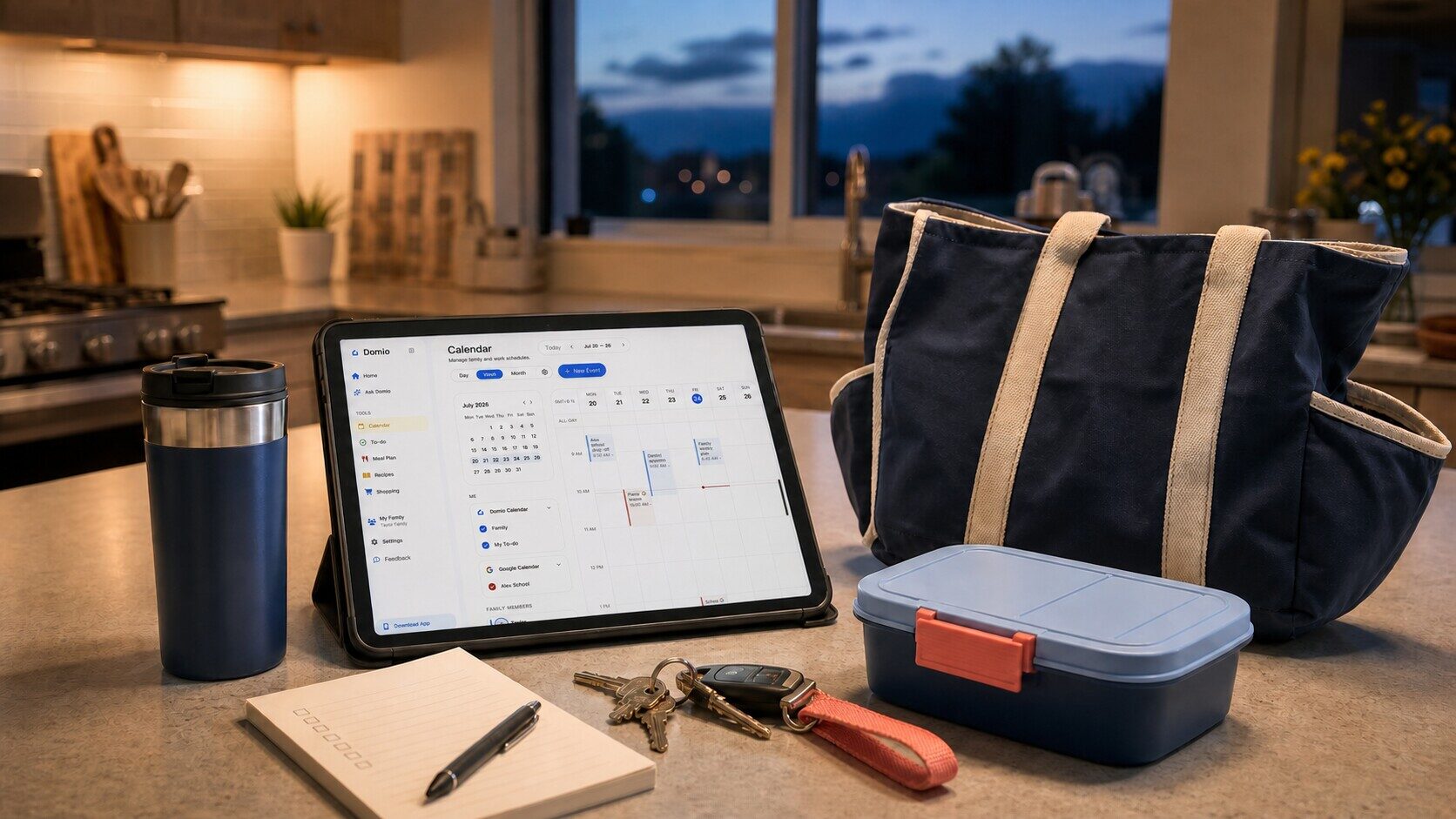
A rotating shift does not only change one person’s workday. It can change school pickup, quiet hours, dinner, childcare, errands, and when the family gets time together. When shifts move from week to week, a normal recurring calendar can create more confusion than clarity.
A shared calendar for shift workers should help the household see both the work constraint and its effect on family life. The goal is not to document every minute. It is to make the handoffs and pressure points visible early enough to plan around them.
Add confirmed shifts before the rest of the plan
Enter work shifts as soon as they are confirmed, including realistic commute and recovery time. An overnight shift may technically end at 7 a.m., but that does not mean the person is available for a 7:30 school run. The family view should reflect actual availability.
Use a clear label for tentative shifts or on-call windows. A tentative shift is different from free time, and making that uncertainty visible helps the family avoid building a fragile plan around it.
Translate work hours into family handoffs
For each shift that overlaps a normal family responsibility, name the replacement plan. Who handles drop-off? Who starts dinner? Does a sitter need to arrive earlier? Does an appointment need to move?
A shared calendar becomes useful when it contains these answers, not only the original conflict. Assigning the handoff also prevents the off-shift parent from becoming the default backup for every change.
Protect sleep and transition time
Shift-working families often plan around work and school while treating sleep as whatever time remains. Put protected sleep blocks on the shared view when they affect noise, errands, caregiving, or availability.
Transition time matters too. A parent coming home from a night shift may need food and rest before taking over. A parent leaving for an evening shift may need dinner and school details settled earlier than usual.
Match meals and chores to the real week
Use the schedule to identify nights that need leftovers, a prepared meal, or a faster grocery stop. Plan household tasks around who is genuinely available instead of repeating the same assignments every week.
A flexible rhythm is more durable than a rigid routine. Keep a small set of recurring household responsibilities, then adjust their owners and timing when the shift pattern changes.
Keep one backup plan visible
On-call work, overtime, and late relief can disrupt even a careful calendar. For the most important handoffs, record one backup person and the information they would need to step in.
A backup plan should name the person, time, location, and minimum context they need. That makes it usable when a shift changes with little warning.
How Domio coordinates a shift change
Domio keeps work constraints, family events, tasks, meals, and reminders in one planning context. When a shift moves, the family can see which pickups, routines, or dinner plans are affected instead of reconstructing the week from messages.
For example, if an evening shift now overlaps with school pickup, Domio is designed to flag the conflict, help coordinate the backup person, and update the shared plan after the handoff is confirmed.
Continue planning with Domio
Turn the ideas in this guide into one shared plan for your family.
Try DomioFrequently asked questions
What should shift workers put on a shared family calendar?
Add confirmed and tentative shifts, commute time, protected sleep, school and care handoffs, and any meal or task changes the shift creates.
How should a family calendar handle rotating shifts?
Treat each published rota as a new planning input. Keep stable family routines, then adjust ownership and timing only where the new shifts create a conflict.
Can a shared calendar help with on-call work?
Yes. Mark on-call windows as uncertain rather than free, and add a visible backup for essential pickups, childcare, or appointments.