
Leftover Meal Planner: Give Extra Portions a Specific Meal
Create a leftover meal planner that connects available portions to upcoming meals, clear ownership, and a smaller grocery list for the week.
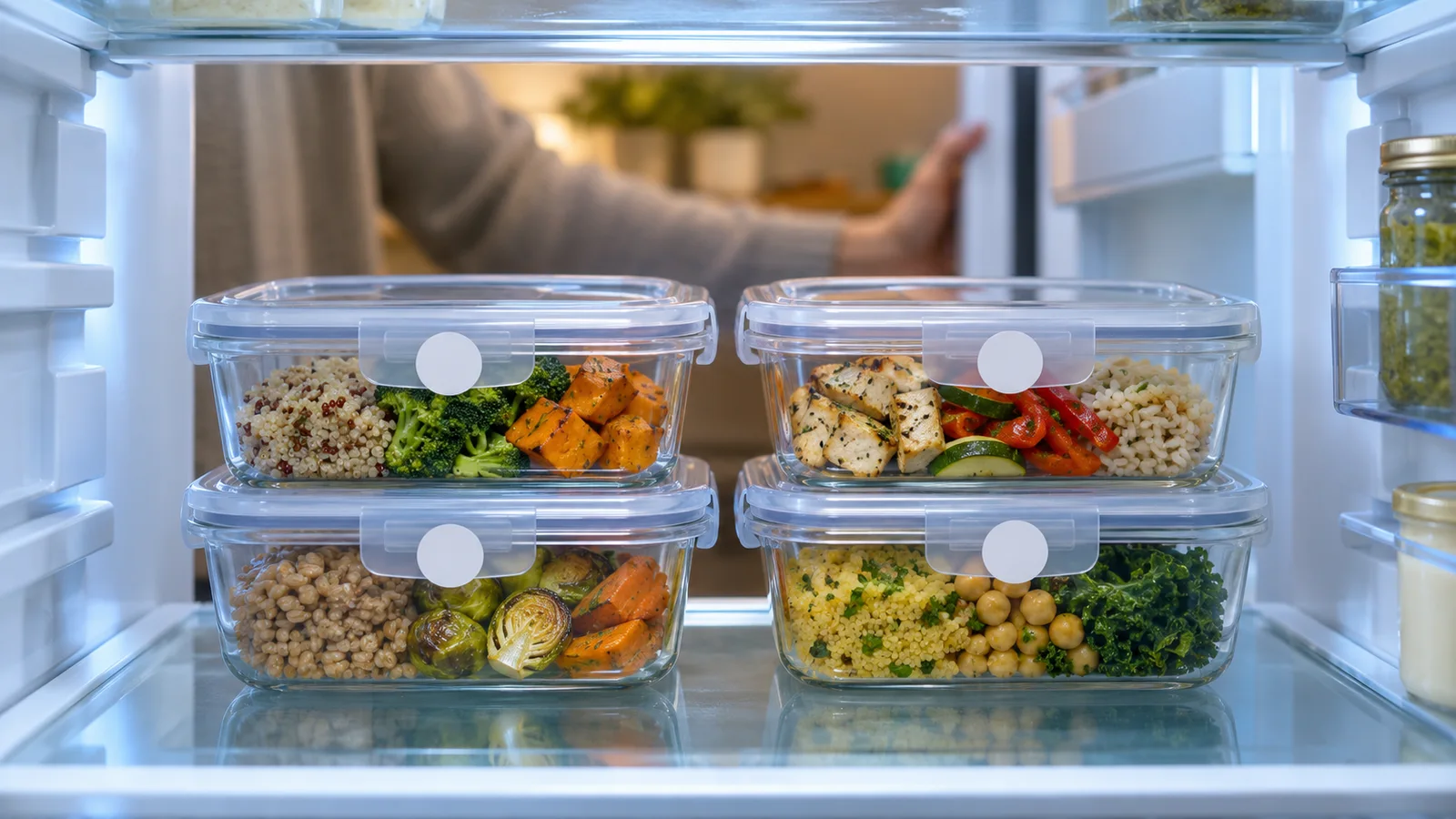
“We have leftovers” is often too vague to help with dinner. One container may be enough for a single lunch, while another needs an extra component to feed the people at home. A leftover meal planner turns available portions into a named meal with an owner.
Use it as a planning tool, not a food-safety calculator. Follow current official storage and handling guidance and the needs of the people eating. A calendar entry cannot establish whether food has been handled safely.
Identify what is available before planning around it
Check the food, approximate portions, preparation information, and what is already promised to someone’s lunch. Keep uncertain items out of the meal plan until the responsible adult has resolved the uncertainty. Do not infer suitability from appearance or a remembered dinner date.
Use a small record: component; known preparation or storage information; portions available; intended eater or meal; additional ingredient needed; person preparing it. Refer to USDA’s “Leftovers and Food Safety” guidance for handling and storage rather than inventing a household rule.
Allocate portions before proposing a family dinner
Ask who will actually be eating. Two portions cannot become dinner for five simply because the meal slot is empty. Decide whether the food supports one adult’s lunch, a smaller dinner group, or one part of a newly prepared meal.
For example, the household has vegetables suitable for two planned lunches and a separate portion of grains for tonight. Assign the vegetables to those lunches first. The dinner cook then knows to assemble another component rather than assuming every container is free to use.
Choose a real use occasion and preparation owner
Pick the next appropriate meal opportunity based on verified handling guidance and your actual schedule. Record who will assemble or prepare the meal, what they need to do, and what other ingredients are required. Follow relevant official preparation instructions.
If the intended eater changes plans, revisit the allocation promptly. A canceled lunch does not mean the portion can wait indefinitely for another empty calendar slot. The responsible adult should decide the next step based on the food’s actual circumstances.
Adjust the shopping list after allocating the food
Remove only the purchases that the planned meal really replaces. If the available portion supplies vegetables but not the rest of dinner, keep the missing components on the grocery list. Add quantities that match the people eating.
Keep shopping and meal changes together so another adult does not buy ingredients for a dinner you replaced. Do not promise a fixed saving: the practical benefit is a clearer decision about what the household still needs to purchase.
Keep the system small enough to maintain
Track the few portions you intend to use soon rather than building an exhaustive archive of every container. When a meal is eaten or an item is no longer available, remove it from the active plan and tell anyone who was relying on it.
Use Domio’s meal plan for the intended meal and shopping list for what is missing. This workflow does not assume automatic freshness assessment or food tracking. Start with one known portion and one suitable meal, then review whether the handoff was clear.
Continue planning with Domio
Turn the ideas in this guide into one shared plan for your family.
Try DomioFrequently asked questions
How do I plan a meal around leftovers?
Identify the available portions, confirm they are appropriate to use, assign a specific meal and eater, and list any missing components.
Can a planner tell me whether leftovers are safe?
No. Use current official food-safety guidance and the actual handling history. A date or calendar label cannot establish safety.
Should leftovers always become the next family dinner?
Match portions and suitability to the real meal. A single lunch or one component of a larger meal may be a better fit.