
Grocery Shopping Handoff Checklist: Finish the Trip Together
Use a grocery shopping handoff checklist to coordinate checkout, missing items, unpacking, storage, and the meal changes that follow the trip.
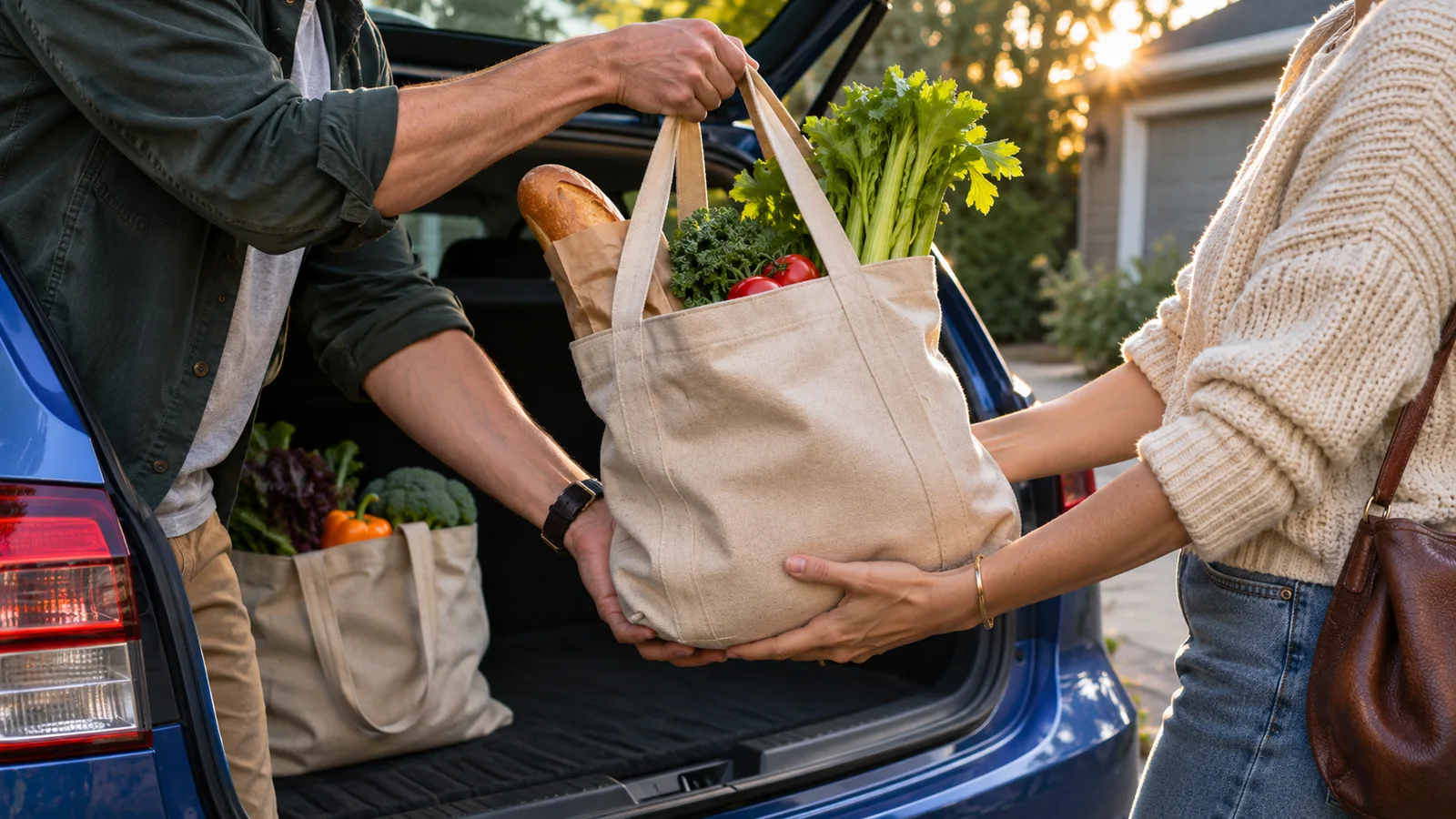
A shopping trip is not finished when one adult walks through the door with bags. Another person may still be planning dinner around something unavailable, or a second shopper may buy the same items because the list was never updated. A grocery shopping handoff checklist closes that gap.
Agree what the shopper completes, what help is needed on arrival, and how the meal owner learns about a change. Keep the handoff brief enough to use after an ordinary trip.
Agree on the arrival plan before leaving
The shopper should know whether someone is available to help carry and put away groceries. The adult at home should know roughly when the trip is expected to finish. If help is unavailable, keep the trip manageable for the person doing the whole job.
Check where purchases belong, especially when someone else usually organizes the kitchen. Follow product storage instructions and current food-safety guidance. A household checklist should help appropriate storage happen promptly, not create an extra administrative step before it.
Give each item an honest list status
Distinguish purchased, unavailable, deliberately skipped, and still needed. An item left unchecked could mean any of those things, which is confusing for the next shopper. Use the list’s supported controls and a short note where a state needs explanation.
Avoid deleting an unavailable essential without telling the person relying on it. If a partial quantity was purchased, record what is still missing. Check that the shared list reflects the final trip before another adult starts a second errand.
Report changes to the person using the ingredients
Tell the meal owner about the few changes that affect the plan: a missing component, a different quantity, or a replacement that needs different preparation. An entire receipt is less useful than a clear decision about tonight’s meal.
For example, Sasha brings home everything for wraps except the planned bread. Ren, who owns dinner, chooses an agreed alternative already at home. Sasha removes the fulfilled purchases and leaves the household’s next bread purchase clearly marked as still needed.
Unpack to known locations
Put purchases in their usual appropriate storage places so the next person can find them. Keep similar-looking household items distinguishable and leave product information available where needed. Do not transfer products into unlabeled containers just to make the cupboard look uniform.
Children can help with suitable items under an adult’s direction. Name the adult who confirms that the trip is fully put away. If one item needs a different next step, such as a provider return, record that separately instead of leaving the whole trip open.
Close the errand and keep one useful lesson
Copy this finish check: groceries appropriately stored; purchased items updated; missing items explained; meal owner informed; any follow-up assigned; bags put away. Receipts and account details can remain in the household’s normal private records.
Domio’s shared shopping list can hold current needs and its to-dos can hold a separate follow-up. This is a manual household handoff, not a claim of automatic receipt reconciliation. Try it after the next shop and remove any field nobody uses.
Continue planning with Domio
Turn the ideas in this guide into one shared plan for your family.
Try DomioFrequently asked questions
When is a shared grocery trip complete?
When purchases are appropriately stored, the list matches what arrived, and anyone affected by missing items knows the next plan.
Should unavailable items be checked off?
Use a clear unresolved state or note rather than implying they were purchased. Agree how the next shopper will recognize the remaining need.
Who should unpack groceries?
Agree before the trip. The task can be shared, but one adult should confirm the full handoff is finished.