
Family Library Book Tracker: From Checkout to Return
Build a family library book tracker with due dates, reading locations, return owners, and confirmed renewals across school and public libraries.
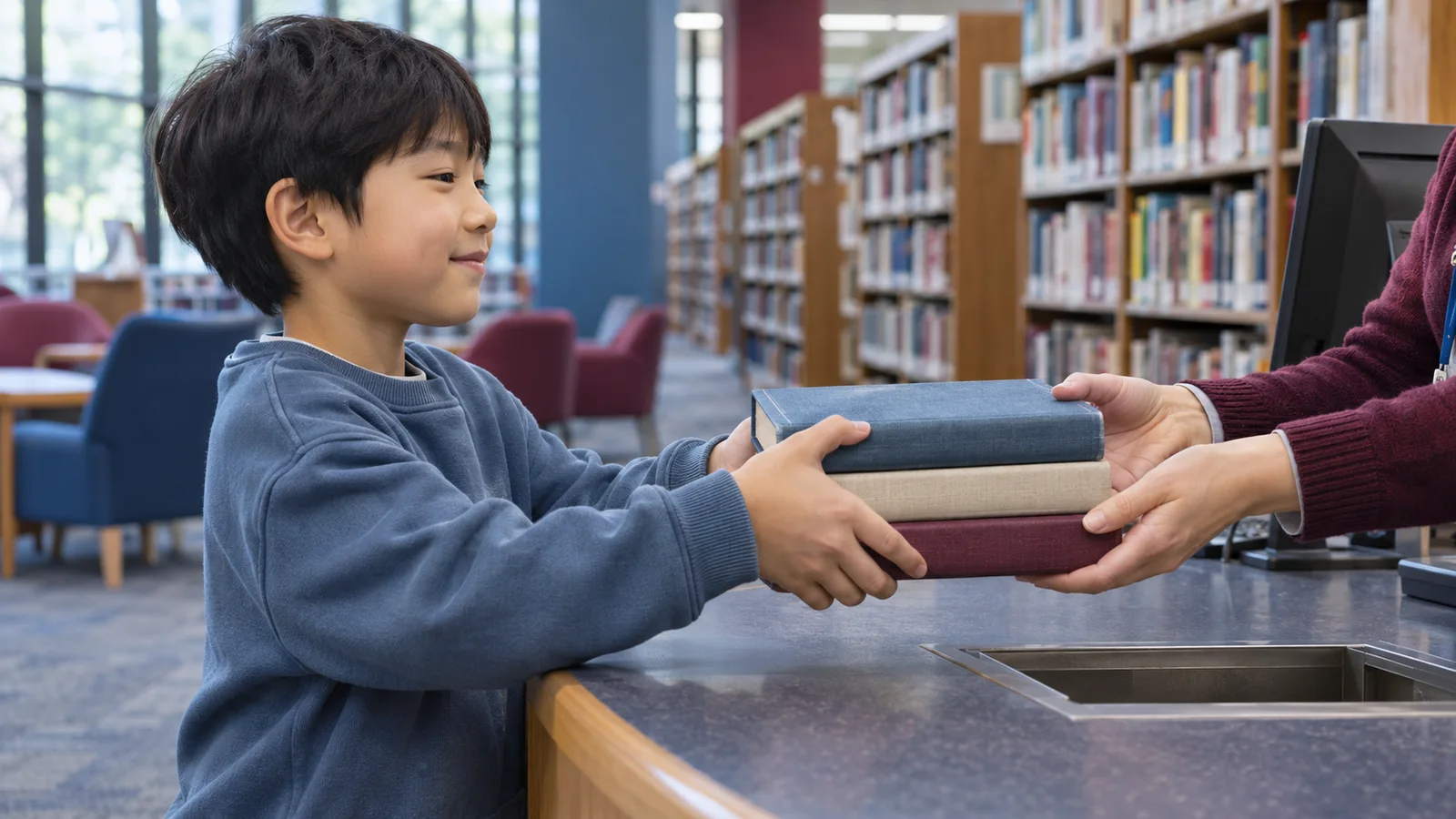
The reminder says the library books are due tomorrow, but one is in a classroom backpack and another is under the couch. A family library book tracker connects the due date with the job of locating and returning the actual books.
Keep the library’s account or checkout receipt as the authority for loans. The household tracker is a short coordination layer for who has each item, where it belongs, and who will complete the return.
Separate loans by library and borrower
School and public libraries may use different borrowing rules, return locations, and renewal processes. Record enough detail to match a book with the right institution and borrower. A generic note saying “books due” is difficult for another adult to act on.
Copy these fields: book or item; borrower; library; verified due date; usual location; return owner; return method; status. Use a private record for account information. You do not need to put library card numbers or login details into a shared calendar entry.
Give borrowed books a home between reading sessions
Choose a return basket or shelf the child can reach. Keep a separate spot for books still being read if combining everything causes confusion. After reading somewhere else, bring the book back to its usual location rather than expecting a due-date reminder to find it.
For a younger child, an adult can check the basket together. An older child may own gathering the books while an adult handles transport. Match the responsibility to what the child can reasonably do and make the final adult handoff clear.
Plan backward from a real return opportunity
A due date matters only if someone can return the items in time. Check the current opening hours and accepted return method. A school book may need to travel in a backpack on a particular school day, while another loan can go on a planned public-library visit.
For example, Rowan’s school library session is Thursday. Rowan finds the book Wednesday evening and puts it in the school bag; an adult checks the bag before departure. The household’s public-library books stay in a different return tote for Saturday’s confirmed trip.
Treat renewals as a confirmed change
A reminder to renew does not extend a loan. The account holder needs to use the library’s supported process and check which items were actually renewed. Availability, limits, and rules differ, so leave any unsuccessful request on the return plan.
Update the household date only after the library confirms the new one. If a book cannot be located or the account record is unclear, contact the library for its current process rather than guessing about charges or replacement requirements.
Close the return and simplify the next checkout
After the handoff, check the library’s return record when available and resolve an item that still appears outstanding. Move completed loans out of the active list. Keep only the fields that helped someone locate, carry, or confirm an item.
Domio’s calendar and tasks can hold the return date and accepted owner. The library remains the source for borrowing status; this guide does not assume a library account connection. Begin with the loans already in your home and the next return trip.
Continue planning with Domio
Turn the ideas in this guide into one shared plan for your family.
Try DomioFrequently asked questions
What should a family library tracker record?
Include the item, borrower, library, verified due date, current location, accepted return owner, and status.
Does a renewal reminder change the due date?
No. Use the library’s official process and update the household record only after renewal is confirmed.
How can children help with library returns?
Give them an achievable job, such as finding books and placing them in a return bag, with an agreed adult responsible for any necessary transport.