School Lunch Planner: Plan Five Lunches Without Five Daily Decisions
Build a school lunch planner with repeatable combinations, a simple prep rhythm, and a grocery list that avoids weekday surprises.
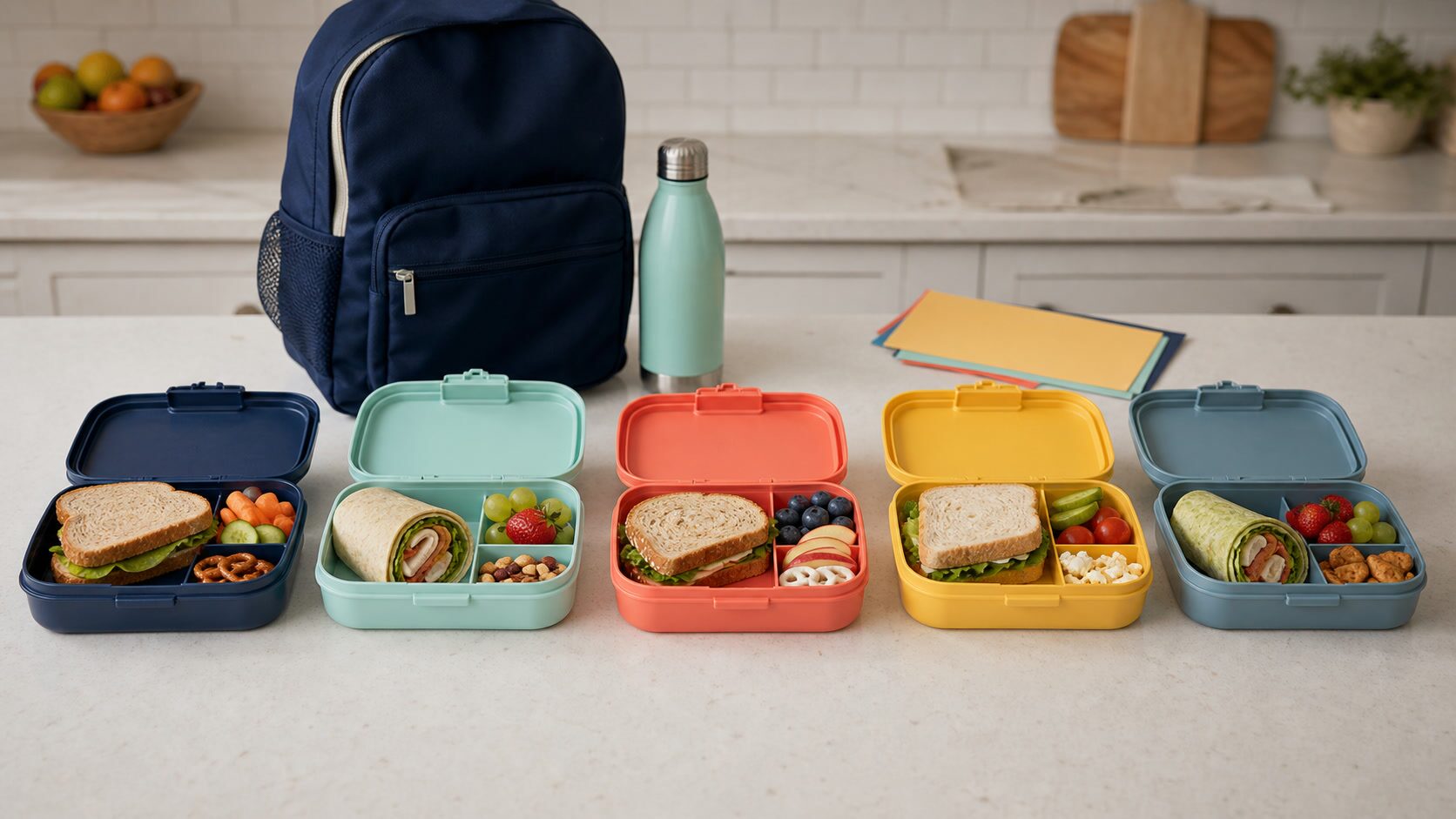
Packing school lunch can feel like a small task until it arrives every weekday alongside breakfast, missing shoes, forms, and the race to leave on time. The daily decision is often harder than the actual packing.
A school lunch planner removes that decision from the morning. A few repeatable combinations, a short prep routine, and a connected grocery list are usually enough to make lunches predictable without making them identical.
Build a short lunch formula
Choose a simple structure that fits your family, such as a main item, fruit or vegetable, snack, and drink. The formula creates boundaries for planning while still allowing different combinations.
Keep a list of accepted options in each category. A visible list makes it easier for children to participate and helps another caregiver pack lunch without needing a detailed briefing.
Plan around the school week
Check for field trips, early dismissals, lunch provided by school, activity days, and any schedule that changes what can be packed or stored. Put those exceptions on the family calendar.
Use more durable or faster options on mornings with early departures. Save lunches that need extra preparation for days when the evening before is less crowded.
Give children useful choices
Offer two or three choices within the plan instead of asking an open-ended question each morning. A child might choose the fruit or select between two familiar mains.
Older children can own a defined part of the process: refill the water bottle, choose the snack, or pack the complete lunch from the agreed plan. Clear ownership is easier to learn than a vague instruction to “help.”
Use a ten-minute evening reset
Each evening, check the next day, wash containers, move frozen items if needed, and place shelf-stable components together. This protects the morning without turning Sunday into a large meal-prep project.
Keep food safety and school allergy rules in the plan. Use appropriate cold storage, follow the school’s policies, and adjust choices for the child’s health needs.
Connect the planner to shopping
Before shopping, count how many lunches each component must cover. Add quantities when they matter, and keep one shelf-stable backup for weeks when plans change or groceries run short.
Treat field trips, school-provided lunches, and early dismissals as plan changes, not exceptions someone must remember separately. Updating the count before shopping prevents buying five lunches for a four-lunch week.
How Domio connects lunch to the school week
Domio can keep school dates, meal plans, grocery needs, and recurring preparation tasks in one family context. A field trip on Thursday can affect the lunch count, the grocery list, and what needs to be prepared Wednesday evening.
Because the plan is shared, another parent or caregiver can see what tomorrow requires without asking for a separate briefing. Domio helps turn the schedule change into the next useful actions instead of another reminder one parent has to interpret.
Continue planning with Domio
Turn the ideas in this guide into one shared plan for your family.
Try DomioFrequently asked questions
What should a school lunch planner include?
Include a simple lunch formula, accepted options, school-week exceptions, preparation tasks, and the quantities needed on the grocery list.
How can children help plan school lunches?
Offer limited choices within a reliable structure. Children can choose a component or own an age-appropriate packing step.
How far ahead should families plan school lunches?
A one-week plan is usually enough. Review school events first, buy the needed components, and confirm the next lunch during a brief evening reset.