Family Weekend Planner: Fit Activities, Meals, Tasks, and Downtime Together
Use a family weekend planner to coordinate fixed activities, meals, household tasks, travel time, and the downtime everyone needs.
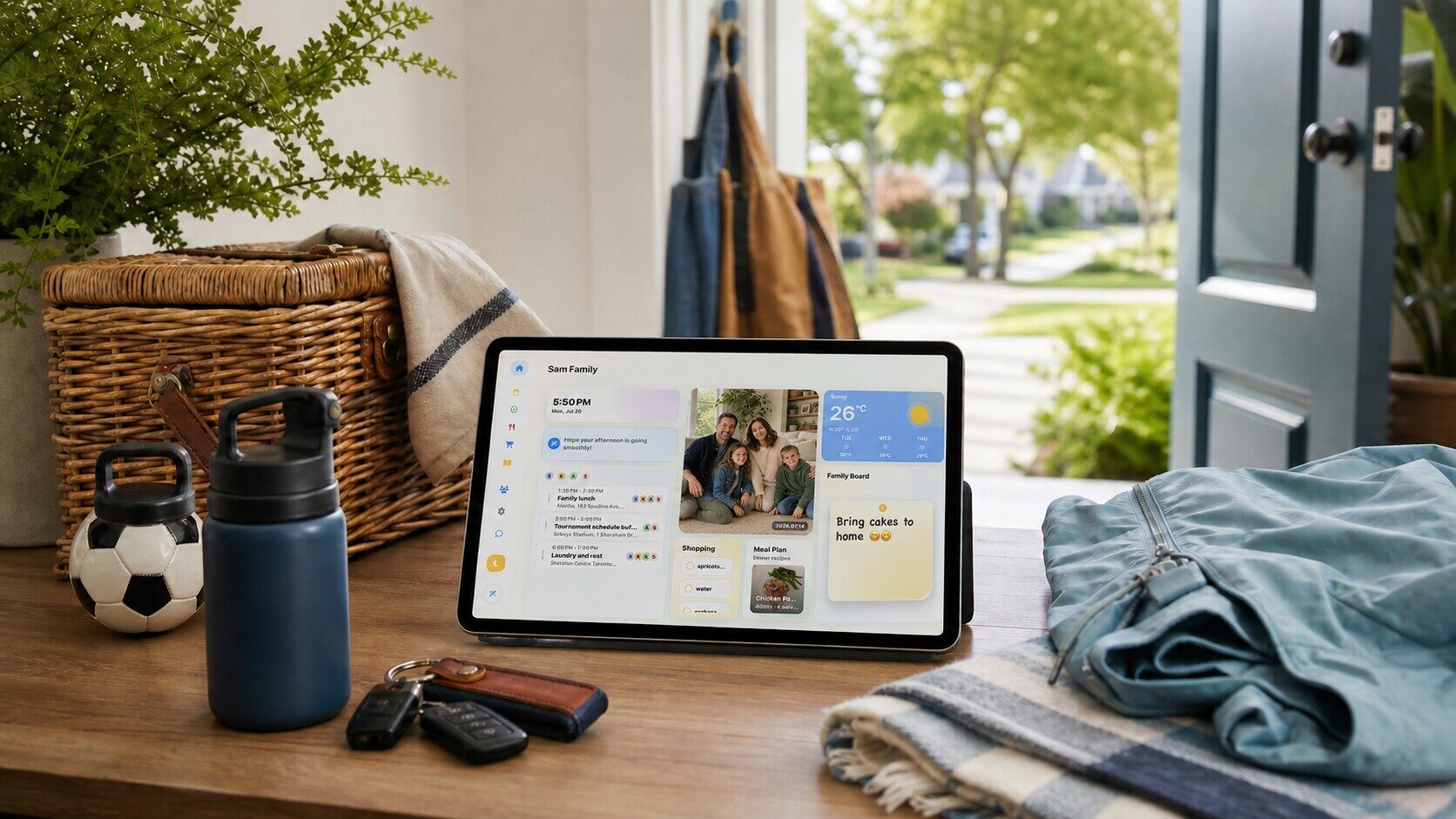
A family weekend can look open on Friday and feel overbooked by Saturday morning. Sports, birthday parties, errands, housework, meals, and the hope of doing something fun all compete for the same two days.
A useful family weekend planner does not try to fill every hour. It helps the household see the fixed commitments, choose what matters, share the necessary work, and protect enough margin for the weekend to feel different from the workweek.
Start with fixed commitments and real travel time
Add games, lessons, parties, appointments, work, religious or community commitments, and any promised family visits first. Include realistic preparation and travel time so a one-hour activity does not quietly consume half the day.
Mark which commitments affect the whole family and which need only one adult or child. That distinction often reveals usable time without pretending everyone is free whenever one person is free.
Choose the weekend’s capacity before adding activities
Ask what kind of weekend the family has capacity for: recovery, connection, errands, a larger outing, or a mix. A tired household may enjoy one nearby activity more than an ambitious itinerary with three stops.
Treat energy, budget, weather, naps, accessibility, and children’s ages as planning constraints rather than inconveniences. The best option is the one the family can actually enjoy and complete.
Connect chores and errands to existing routes
List only the household work that truly needs weekend time. Assign complete outcomes, then place errands near existing activities when that reduces driving and waiting.
Avoid turning every open block into productive time. A visible owner and a realistic deadline are more useful than a long shared list that follows everyone through the weekend.
Decide meals before the day fragments
Look at where the family will be at normal meal times. Decide which meal will be cooked, packed, eaten out, assembled quickly, or covered by leftovers before hunger turns the gap into an urgent decision.
Add only the groceries and preparation the plan requires. If Saturday includes a long outing, a complicated dinner may belong on Sunday instead.
Keep one flexible block and one backup
Leave at least one block uncommitted. It can absorb a late game, a tired child, bad weather, an invitation, or simply the need to stay home.
For an outdoor plan, choose one indoor backup that fits the same time and budget. A backup is most useful when it is decided before the family is disappointed and scrambling.
How Domio proposes a weekend that fits
Domio can use the shared calendar and the family’s stated preferences to suggest a weekend activity around existing commitments. The suggestion becomes more useful when the assistant can also see travel pressure, meal timing, household tasks, and who is participating.
If a game moves or the weather changes, Domio is designed to help the family adjust the affected plan instead of starting over in a group chat. The result is not a packed itinerary; it is a coordinated weekend with fewer decisions left for the last minute.
Continue planning with Domio
Turn the ideas in this guide into one shared plan for your family.
Try DomioFrequently asked questions
What should a family weekend planner include?
Include fixed commitments, travel time, activity choices, essential chores, meals, responsible adults, downtime, and one backup for a weather-dependent plan.
How do you plan a weekend without over-scheduling it?
Choose the weekend’s capacity first, limit optional activities, include travel and preparation time, and leave at least one block deliberately open.
Can an AI family assistant suggest weekend activities?
Yes. The most useful suggestions account for the existing family calendar, preferences, timing, travel, weather, and the amount of energy the household wants to spend.